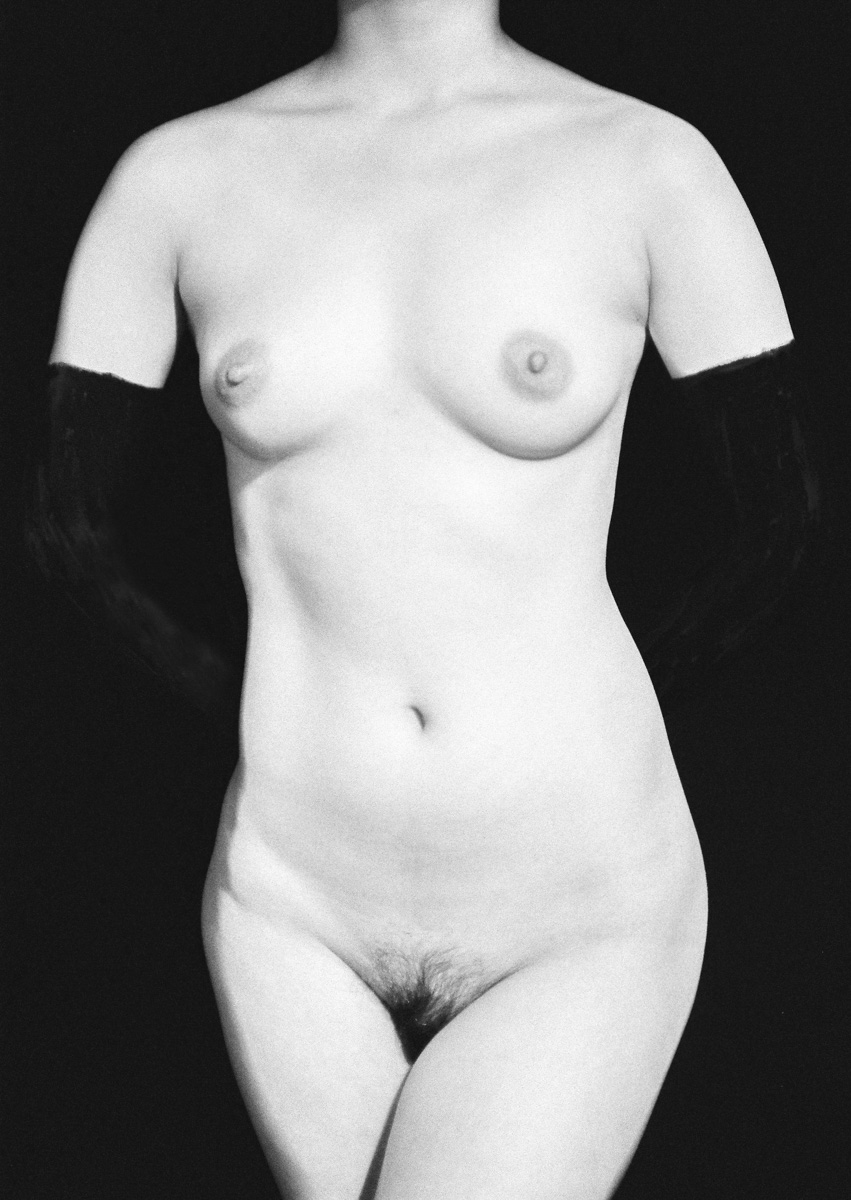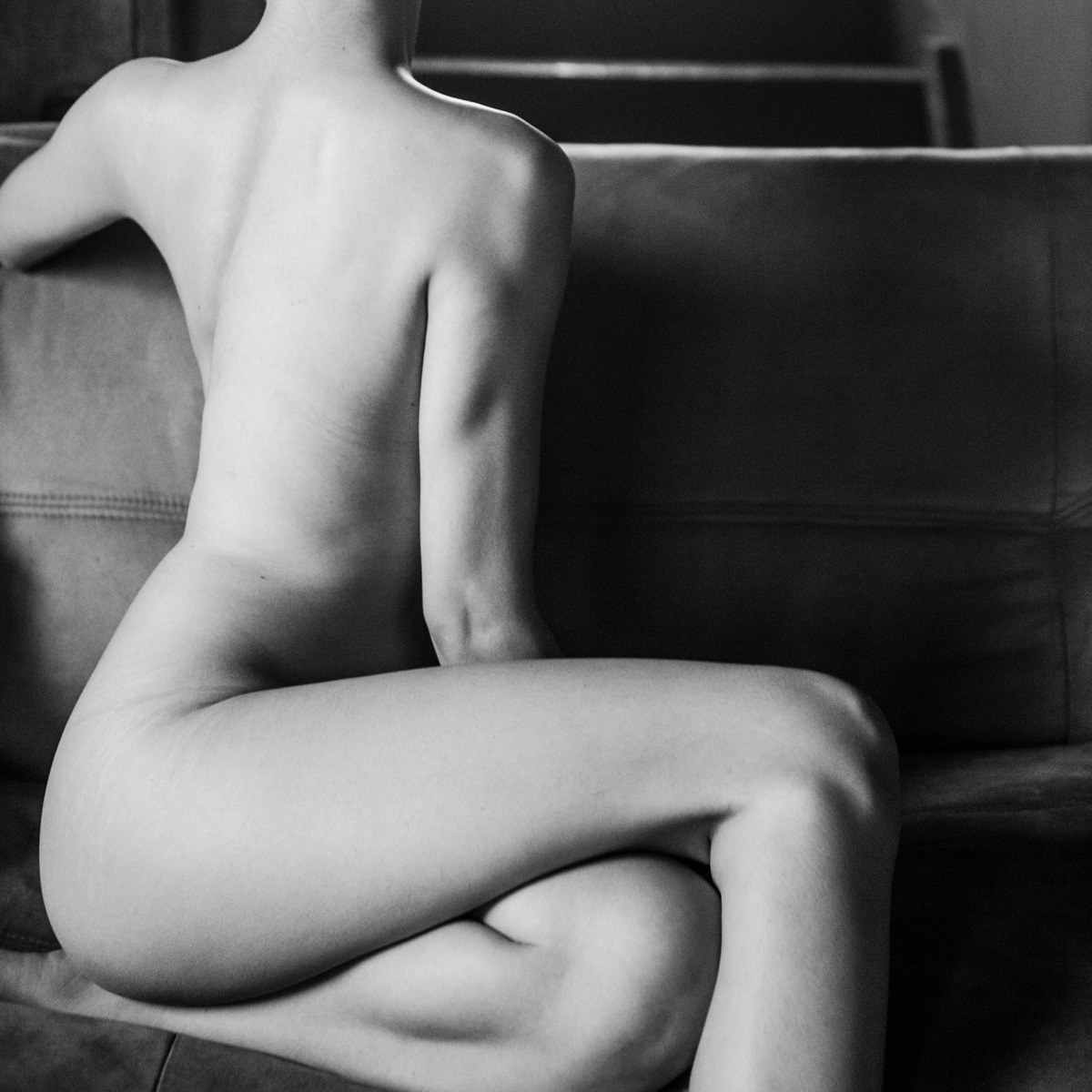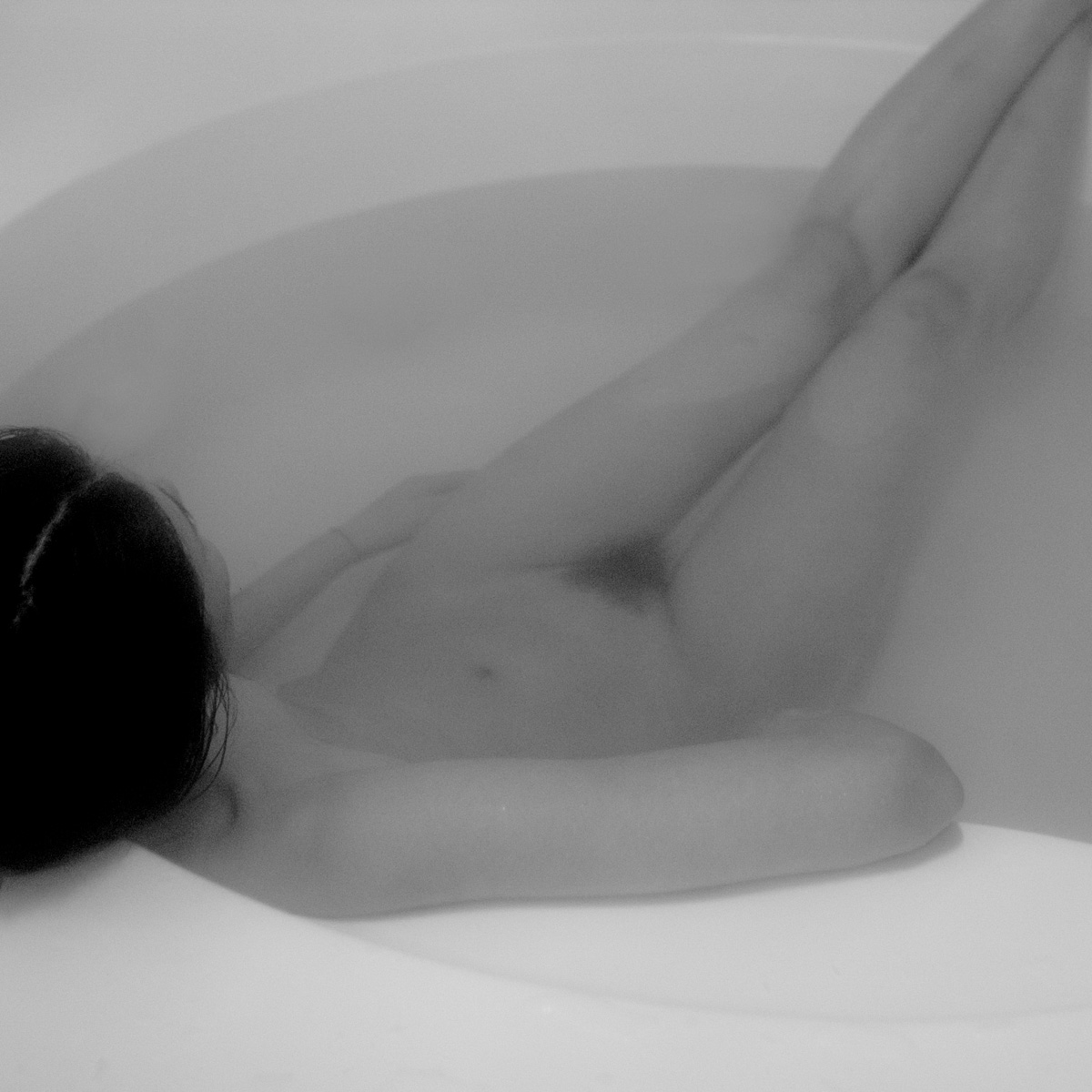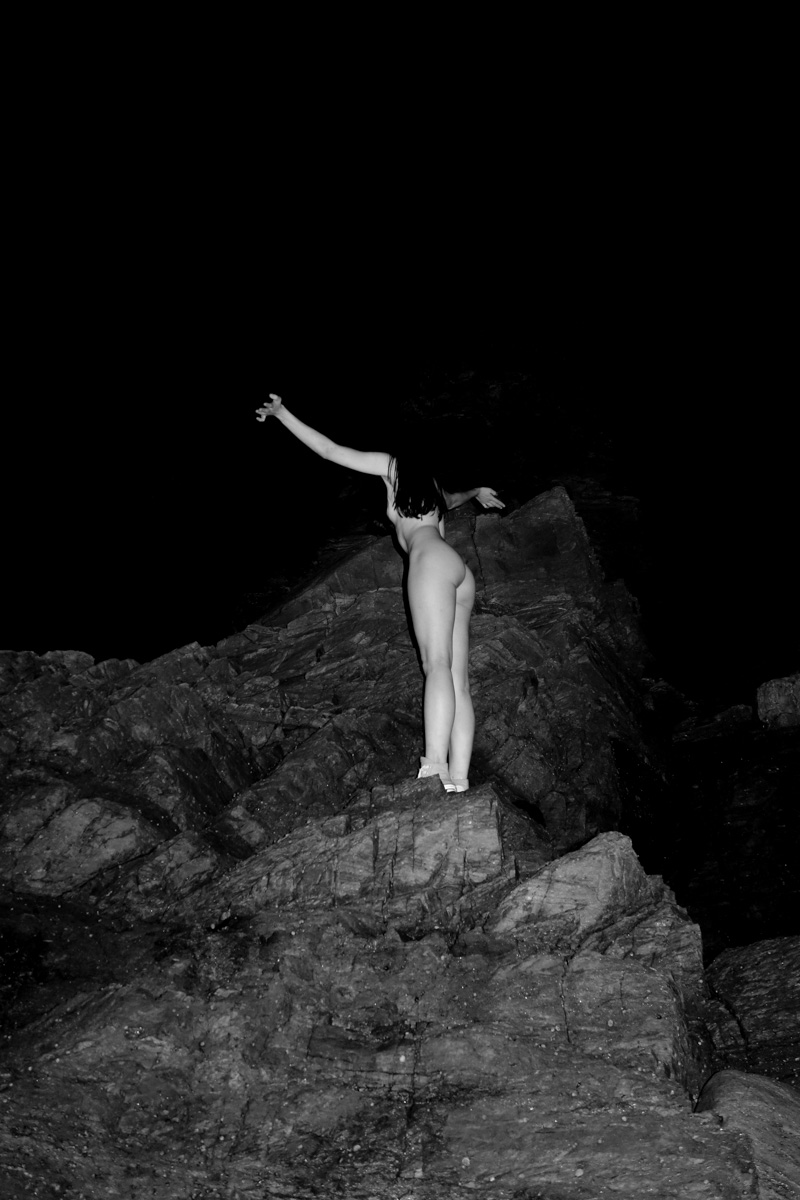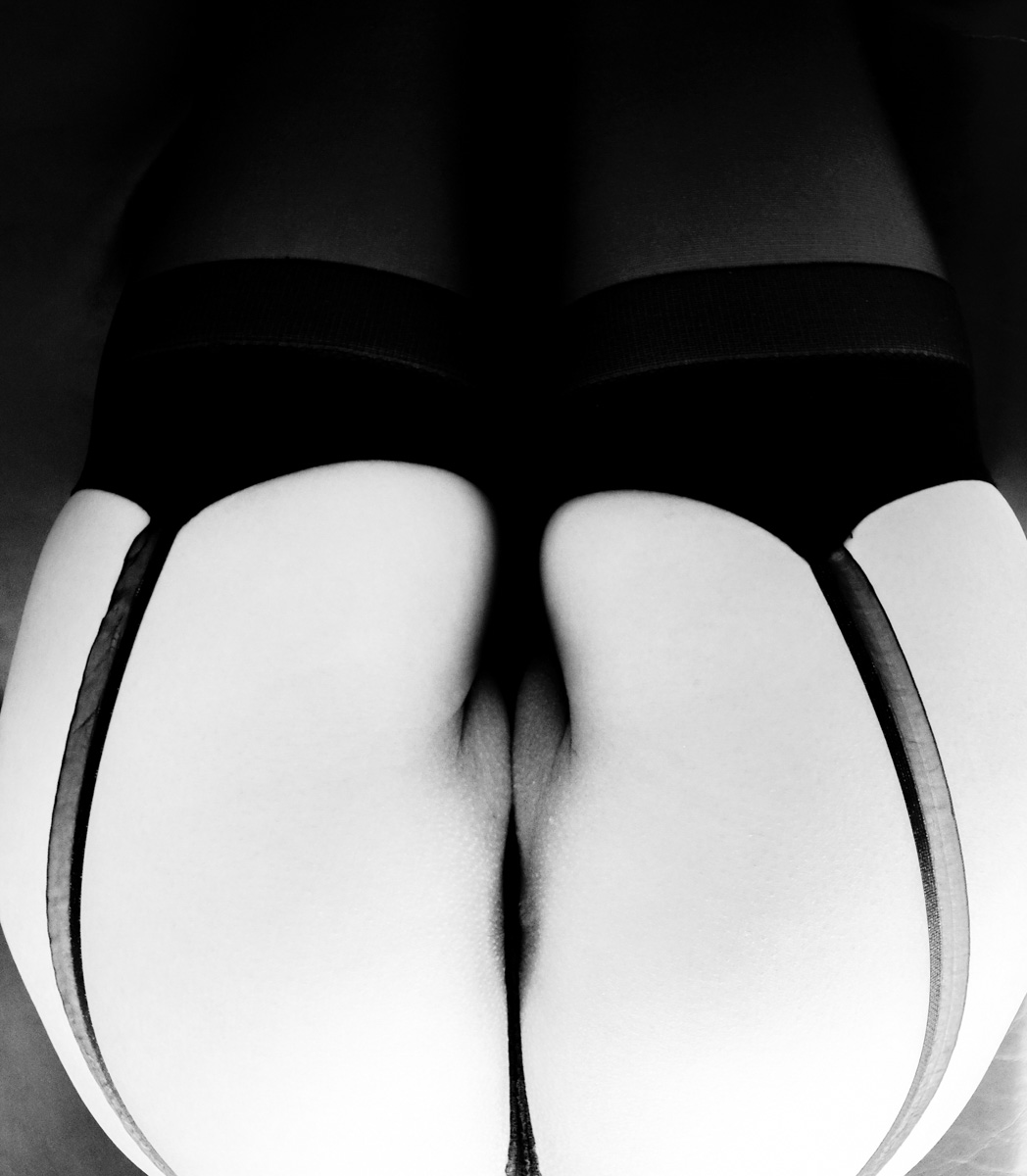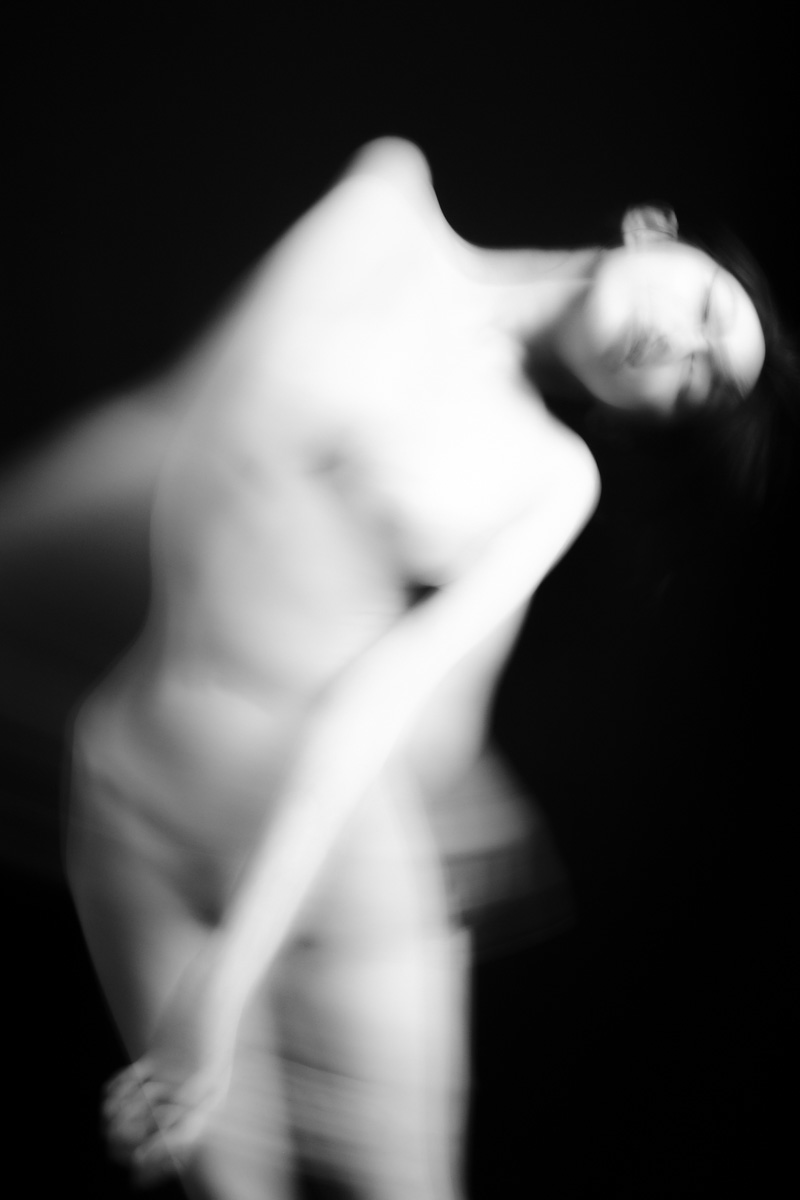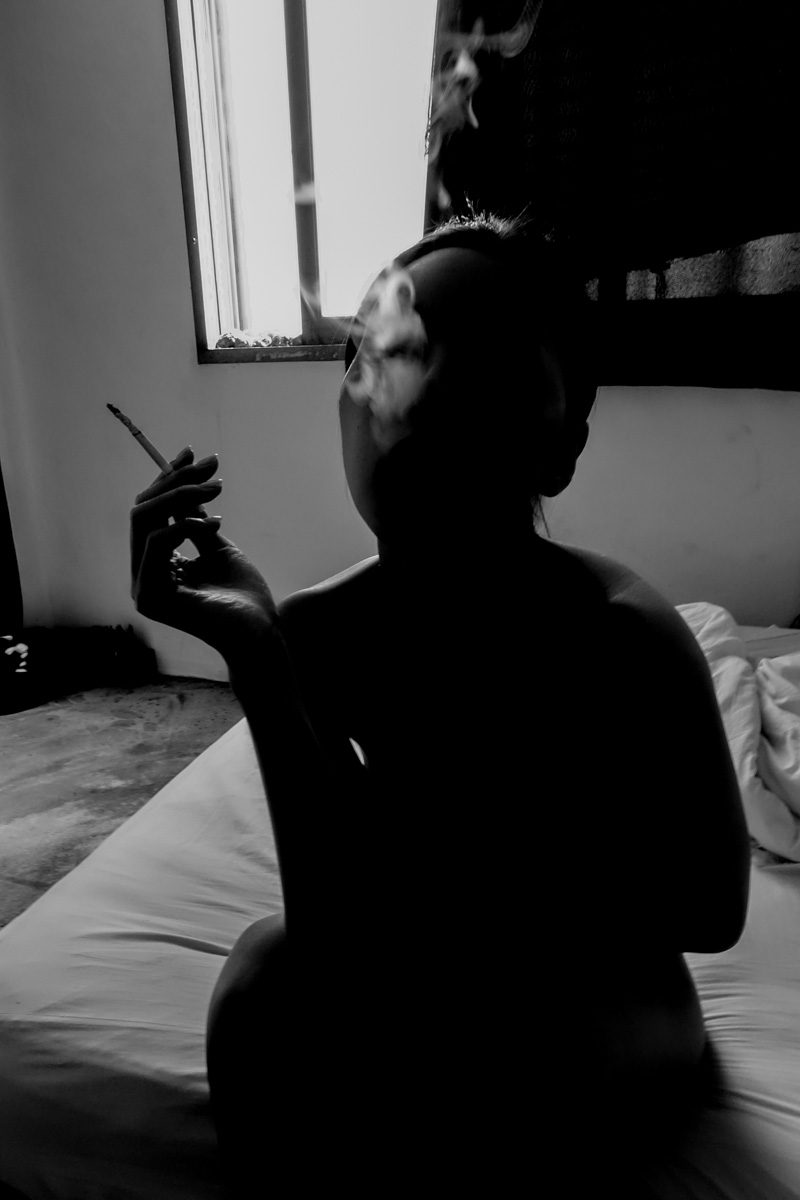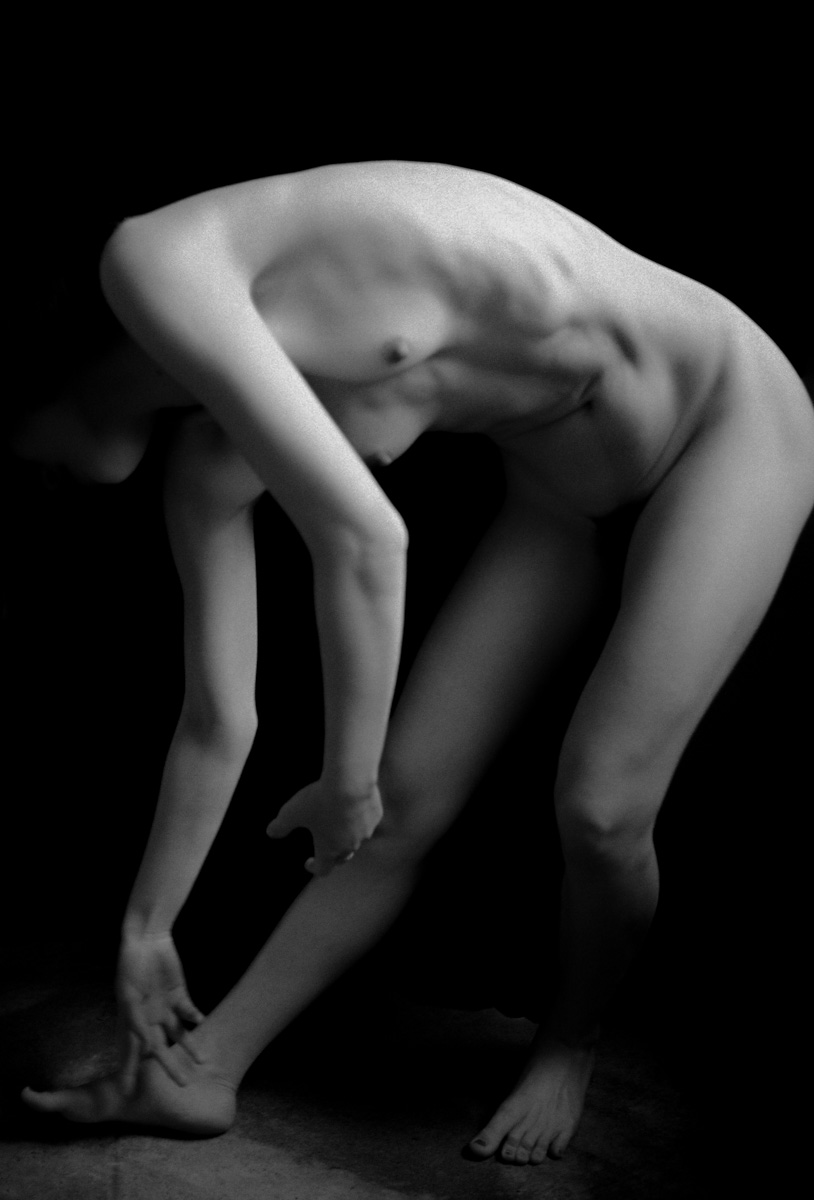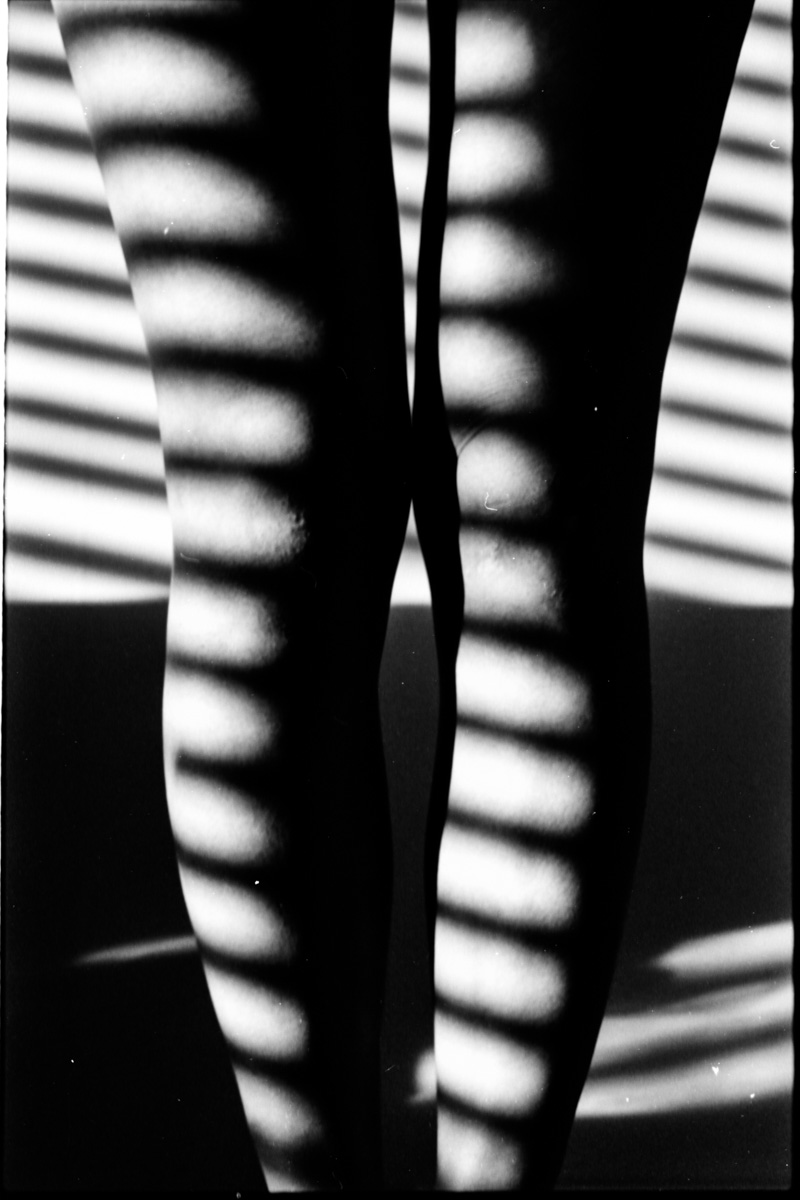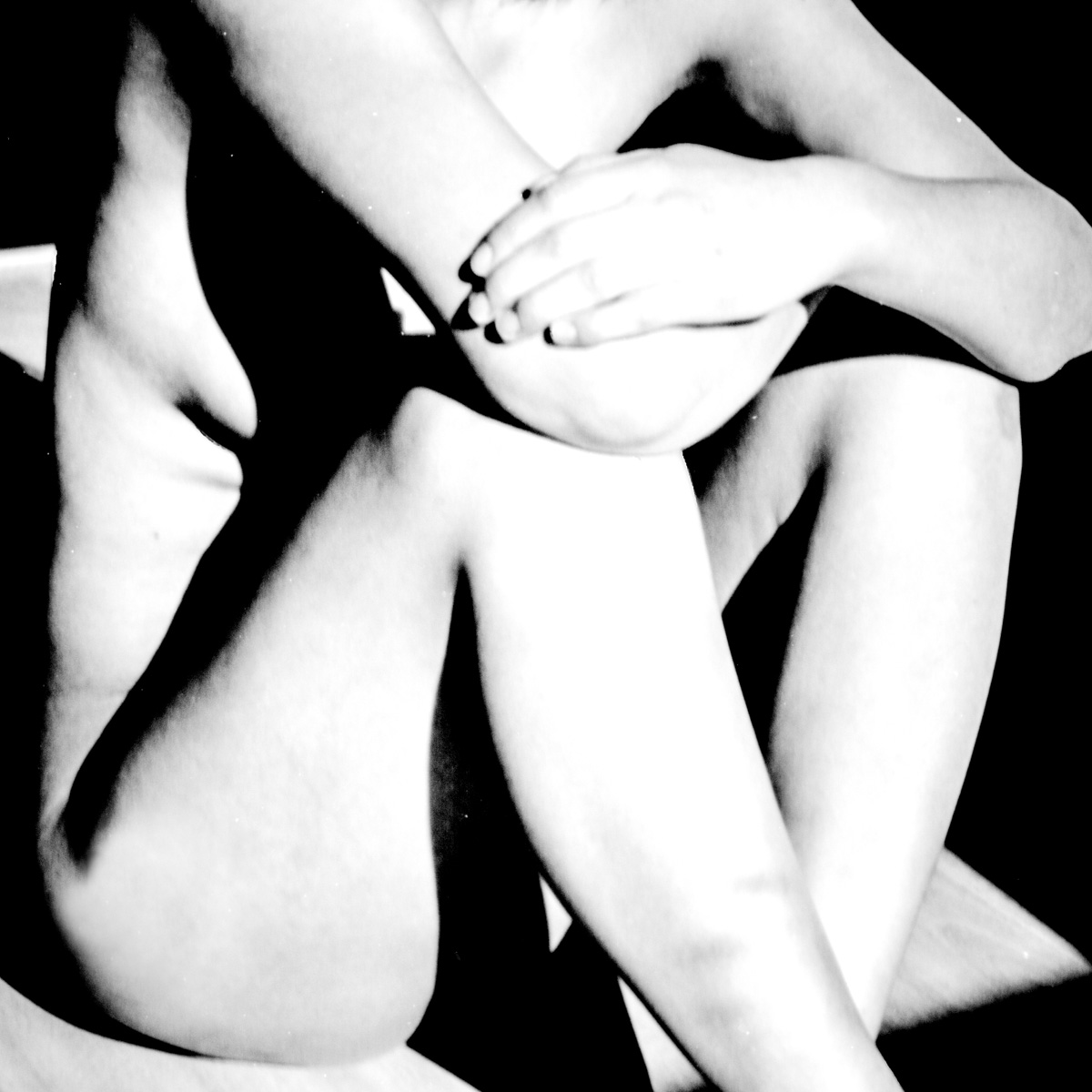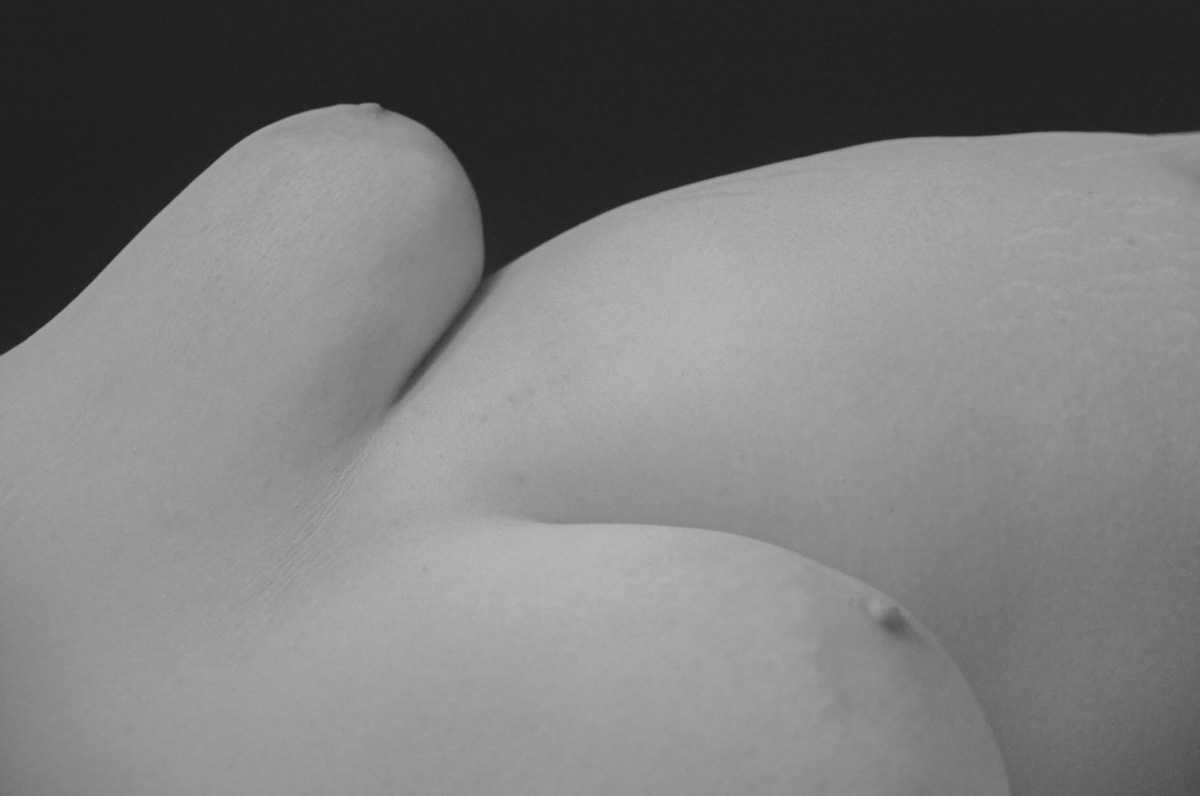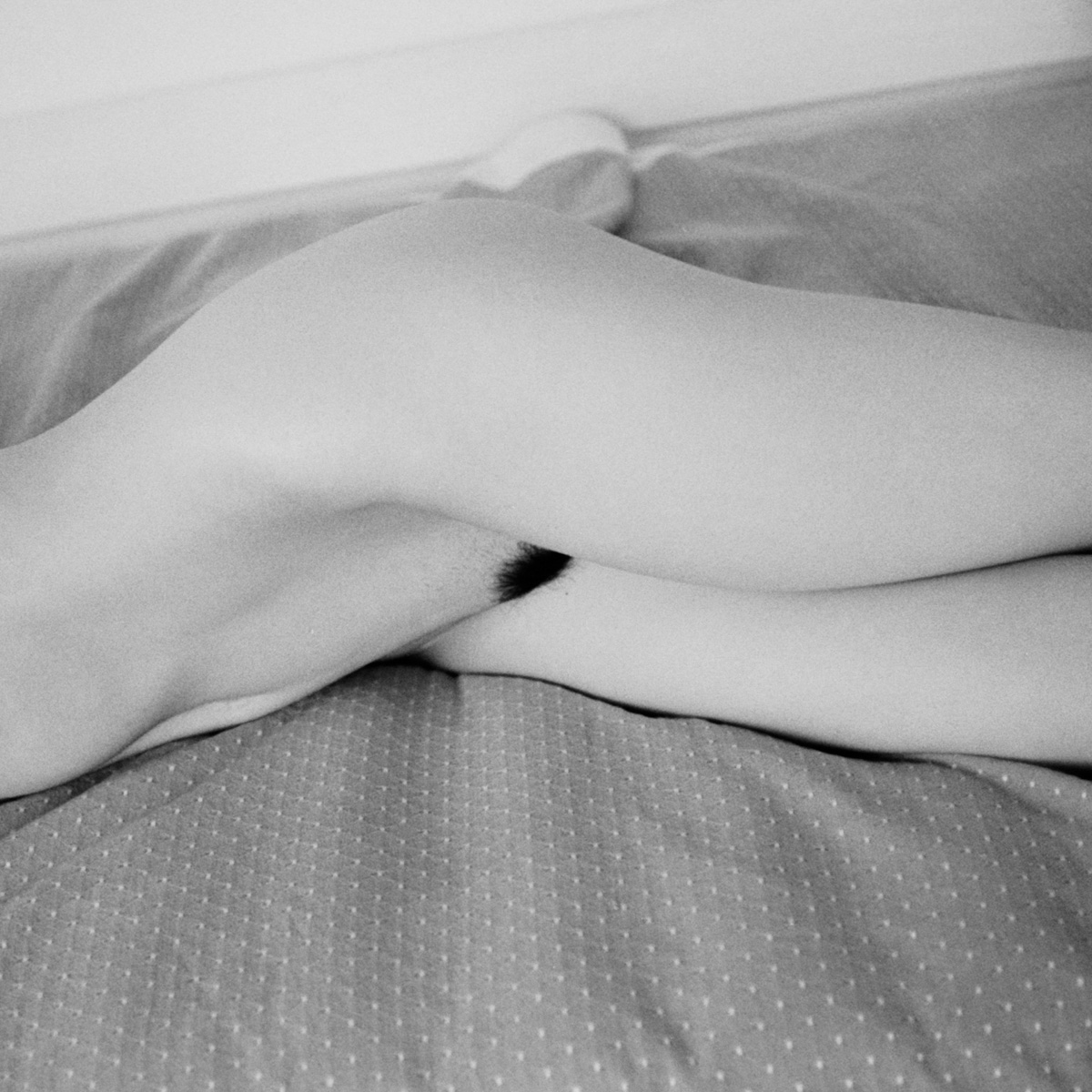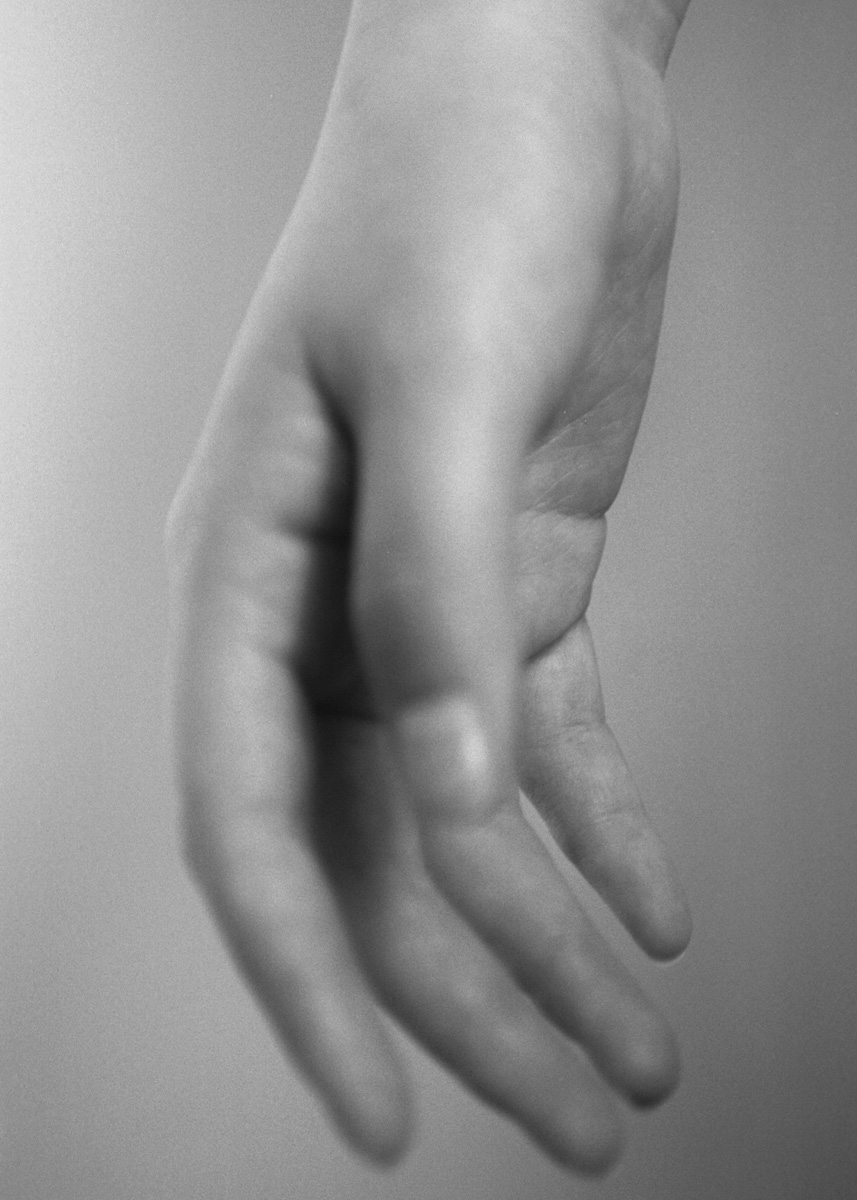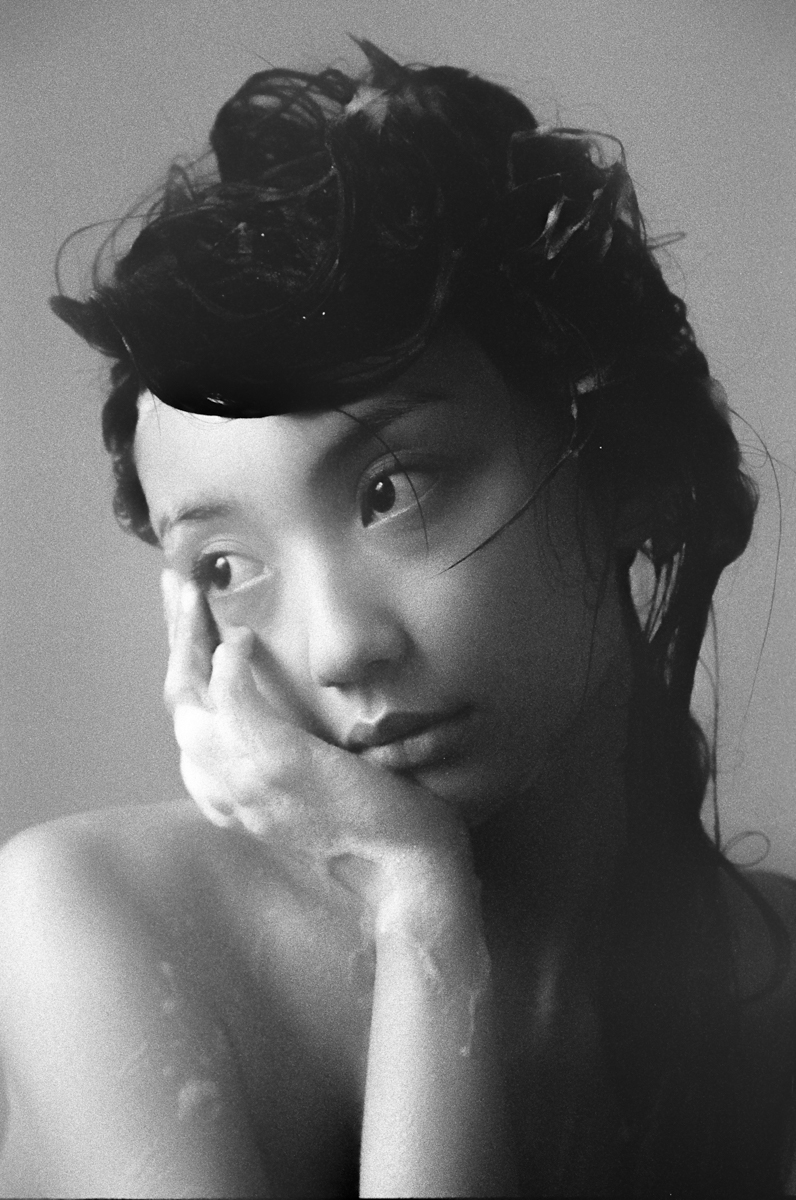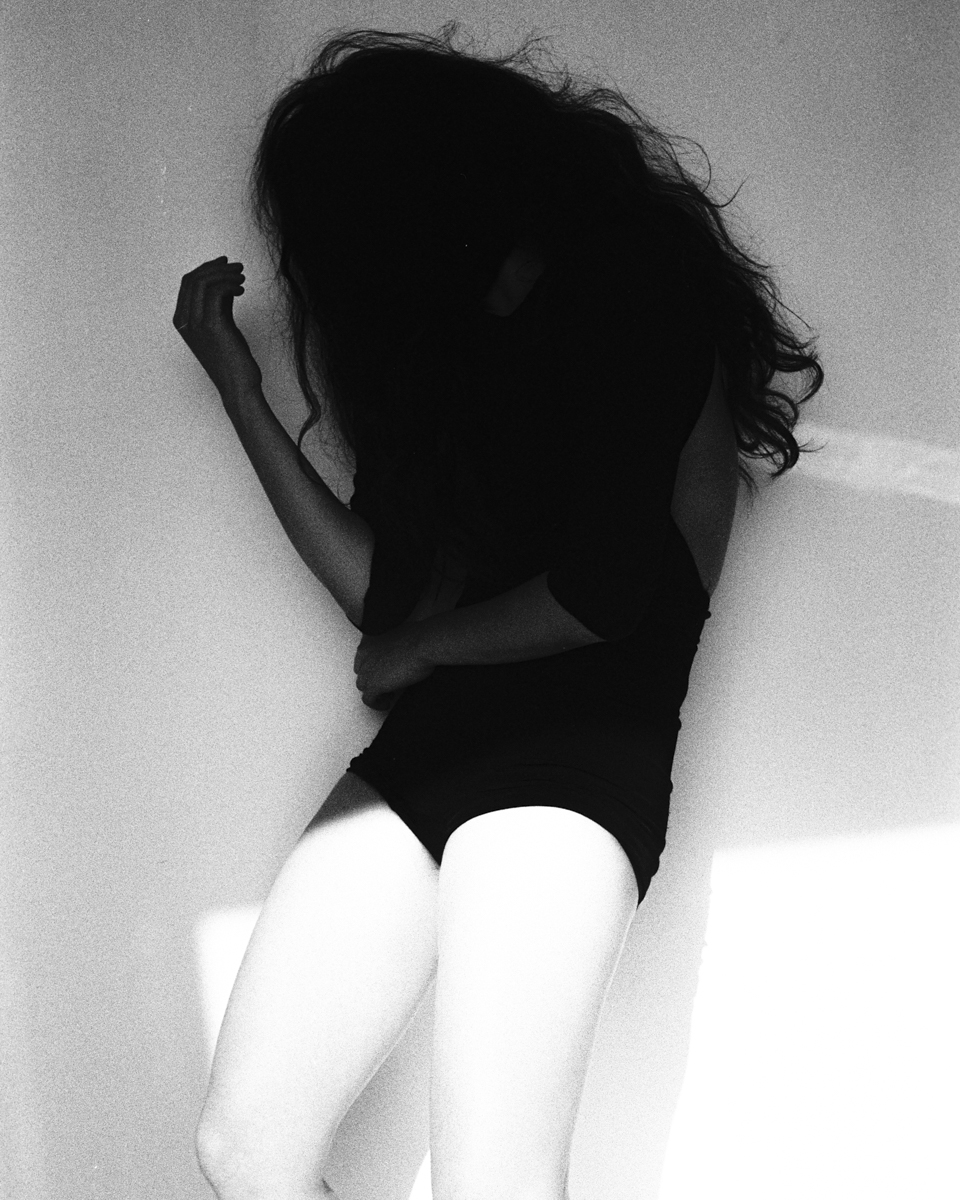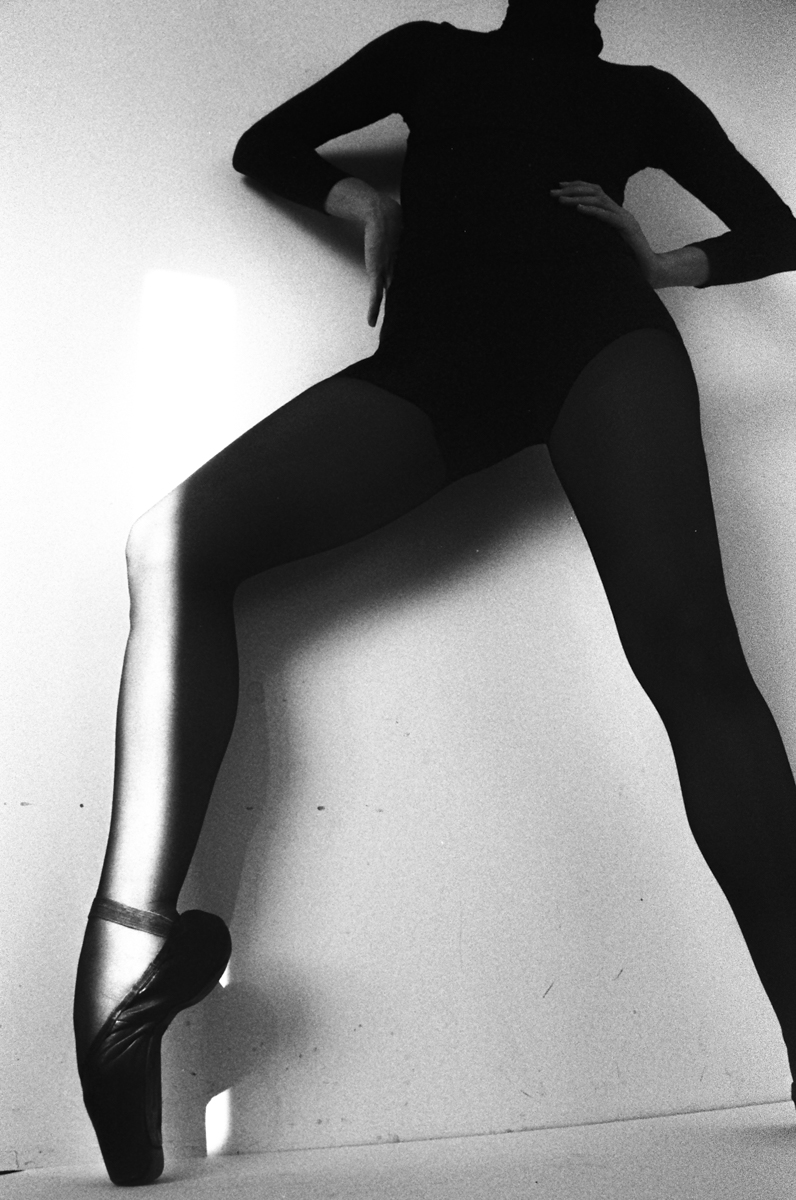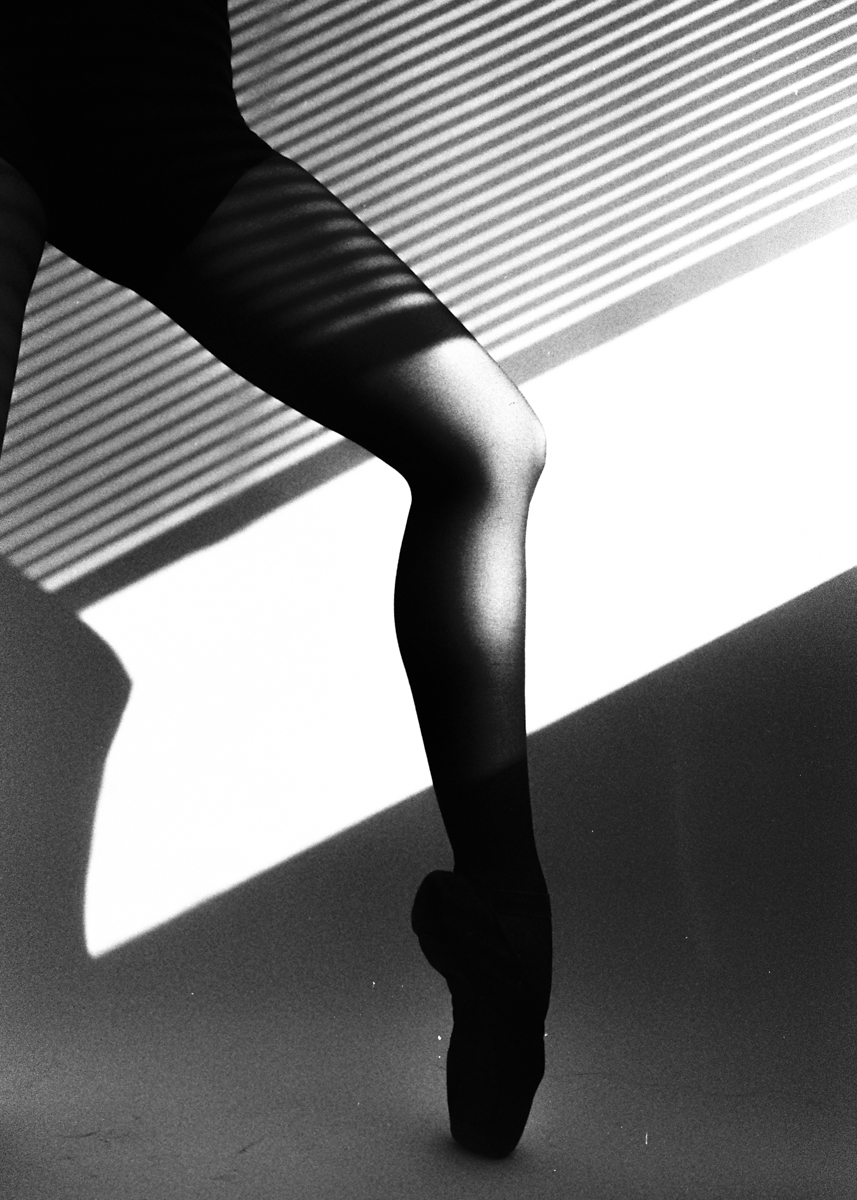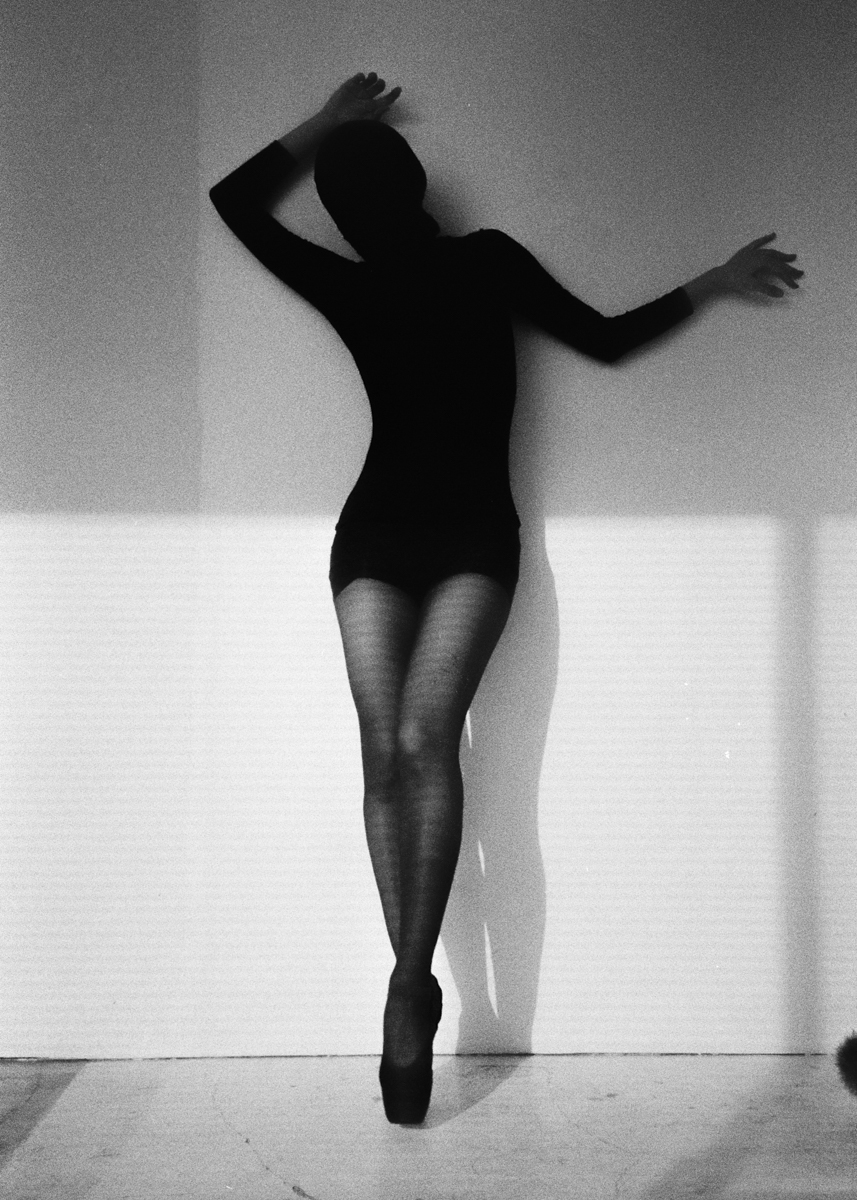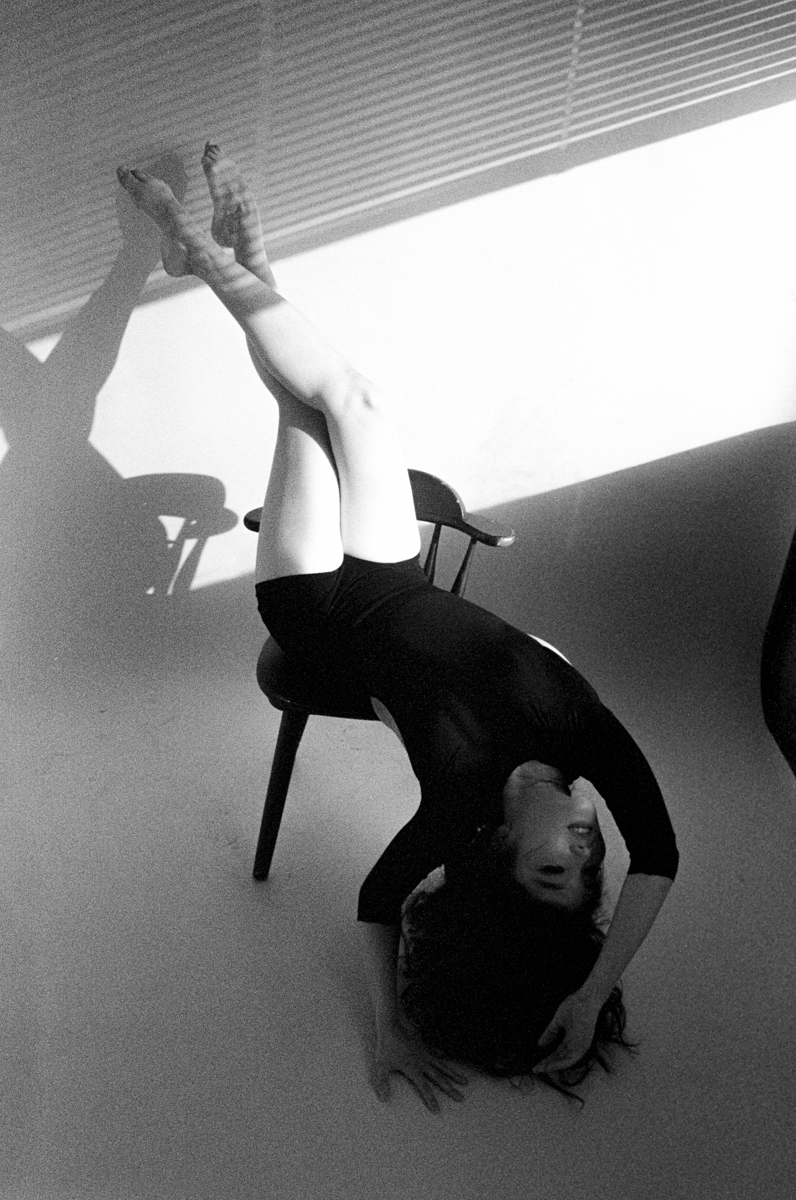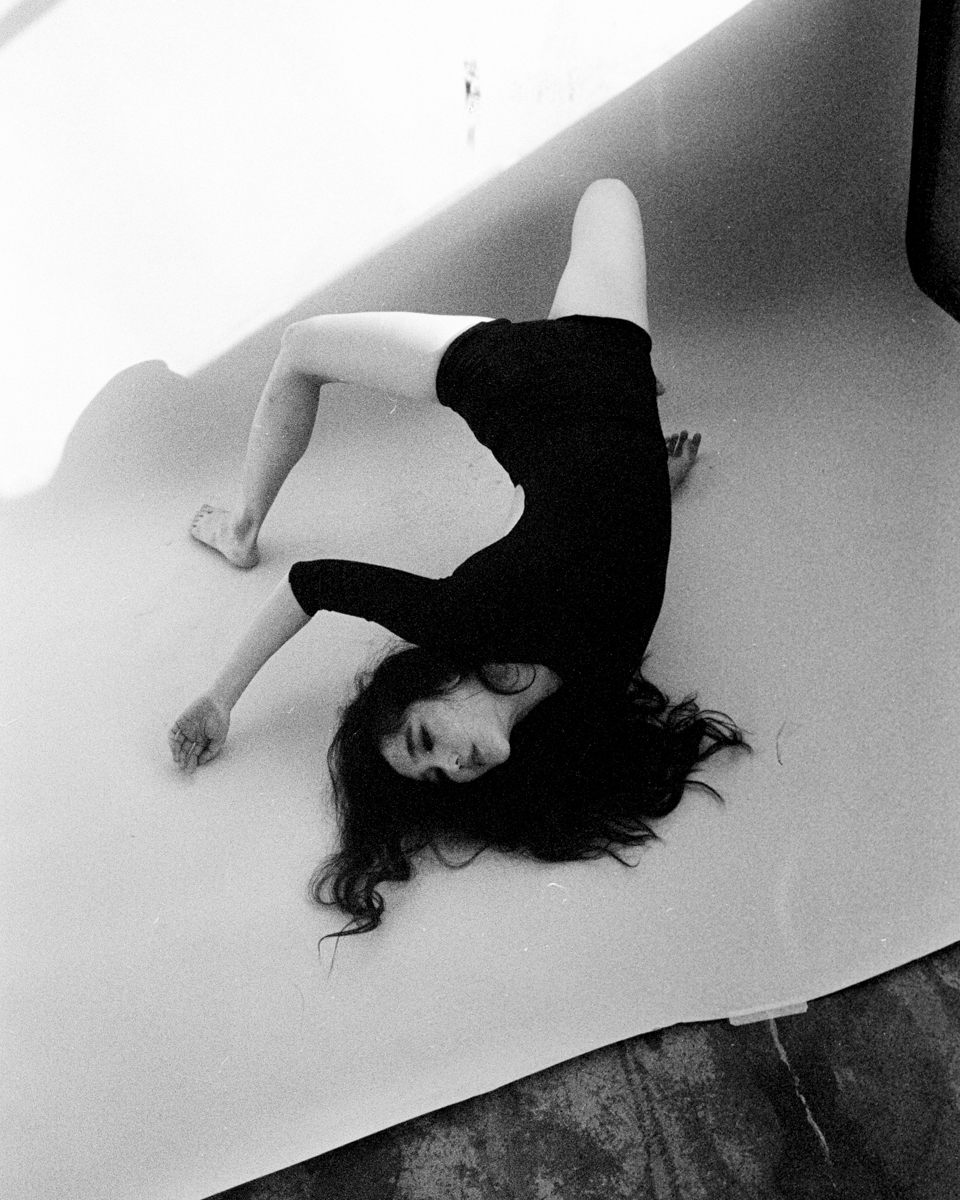
A life steeped in desire,
or a life from which desire has entirely vanished—
which do I truly desire?
At times, it seems that people
cannot endure a life without desire
more than a life consumed by it.
They come to believe
that only within the madness of desire running wild
can life remain vivid and alive.
What people fear may not be desire itself,
but boredom.
When desire disappears,
they find themselves overtaken by boredom,
as though life itself were dissolving,
as though their own existence were slowly wearing away.
And so they come to believe
that life and love can be confirmed
only when desire moves restlessly within them.
That is why people do not wish
for desire to disappear.
Yet desire disappears.
Even the desire that feels incapable of fading
cannot escape disappearance.
In truth,
it vanishes quickly.
The moments in which we clung to desire,
leaning upon it like a walking stick,
crumble with the futility
of hands clutching at straw.
And so people continue
their lives and loves
between desire and boredom.
In truth, boredom is not merely
what remains after desire has disappeared.
It is another desire—
a desire for the desire that has been lost.
That is why desire and boredom
appear as two faces of the same thing.
And so,
life and love exist between them.
Life and love are neither desire nor boredom,
but something that dwells in between.
Just as life and love are neither one nor the other,
desire and boredom are not opposites—
not affirmation and negation—
but conditions suspended between.
So perhaps life is, rather, compassion.
And perhaps love is, rather, endurance.
To continue life and love
is to silently endure
compassion for what has been lost,
and the long, cold, wordless turning away
that follows.
Between desire and boredom.
And so,
what is it that I desire?
A life steeped in desire?
Or a life emptied of desire?
The only certain conclusion is this:
Whichever it may be,
I remain, still,
within a life steeped in desire.


욕망에 젖은 삶과
욕망이 다 사라져버린 삶
나는 어느 쪽을 원하는가?
때로 사람들은
욕망에 빠져 있을 때보다
욕망 없이 사는 삶을 견디지 못하는 듯 보인다.
사라지지 않는 욕망의 광기 속에서만이
오로지 생기 있는 삶이 존재하리라 생각하는 것이다.
사람들이 두려워하는것은 욕망보다 어쩌면 권태인지 모른다.
욕망이 사라지고 나면 권태 속에 잠식되고,
마치 삶은 사라지는 것처럼
자신의 존재가 마모되는 것처럼
두려워하는 것이다.
그러므로 우리가 삶과 사랑을 유일하게 확인할 수 있는 것은
오히려 욕망이 활개 칠 때라고 여기는 것이다.
그래서 사람들은 욕망이 사라지기를 바라지 않는다.
그러나 욕망은 사라진다.
사라지지 않을 것 같은 욕망도 사라지는 것에서 벗어나지 못한다.
사실은 빠르게 사라진다.
욕망을 붙들고 마치 욕망을 지팡이처럼 의지하고 살던 순간들이
지푸라기를 잡았다 스러지듯이 허망해진다.
그리하여 사람들은 욕망과 권태 사이에서
삶과 사랑을 지속하는 것이다.
사실 권태는 욕망이 사라진 그 무엇이 아니라,
사라진 욕망에 대한 또 다른 욕망이다.
그래서 욕망과 권태는 하나의 두 얼굴 같다.
그래서 삶과 사랑은 욕망과 권태 사이에 있다.
삶과 사랑은 욕망이나 권태가 아니며
그 사이의 그 무엇이다.
삶과 사랑이 그러하듯이,
욕망과 권태는 긍정과 부정이 아니다.
그 사이의 무엇이다.
그래서 삶은 차라리 연민이다.
그래서 사랑은 차라리 견딤이다.
삶과 사랑을 지속한다는 것은,
잃어버린 것들에 대한 연민과
돌아서 버린 차가운 말 없는 오랜 외면을
역시 말없이 겪어내는 일이다.
욕망과 권태 사이에서..
그러므로 나는 무엇을 원하는가?
욕망에 젖은 삶인가?
아니면 욕망이 다 사라져버린 삶인가?
분명한 귀결은
그 어느 쪽이라 해도
나는 여전히 욕망에 젖은 삶 속에서 있다는 사실이다.
A life steeped in desire,
or a life from which desire has entirely vanished—
which do I truly desire?
At times, it seems that people
cannot endure a life without desire
more than a life consumed by it.
They come to believe
that only within the madness of desire running wild
can life remain vivid and alive.
What people fear may not be desire itself,
but boredom.
When desire disappears,
they find themselves overtaken by boredom,
as though life itself were dissolving,
as though their own existence were slowly wearing away.
And so they come to believe
that life and love can be confirmed
only when desire moves restlessly within them.
That is why people do not wish
for desire to disappear.
Yet desire disappears.
Even the desire that feels incapable of fading
cannot escape disappearance.
In truth,
it vanishes quickly.
The moments in which we clung to desire,
leaning upon it like a walking stick,
crumble with the futility
of hands clutching at straw.
And so people continue
their lives and loves
between desire and boredom.
In truth, boredom is not merely
what remains after desire has disappeared.
It is another desire—
a desire for the desire that has been lost.
That is why desire and boredom
appear as two faces of the same thing.
And so,
life and love exist between them.
Life and love are neither desire nor boredom,
but something that dwells in between.
Just as life and love are neither one nor the other,
desire and boredom are not opposites—
not affirmation and negation—
but conditions suspended between.
So perhaps life is, rather, compassion.
And perhaps love is, rather, endurance.
To continue life and love
is to silently endure
compassion for what has been lost,
and the long, cold, wordless turning away
that follows.
Between desire and boredom.
And so,
what is it that I desire?
A life steeped in desire?
Or a life emptied of desire?
The only certain conclusion is this:
Whichever it may be,
I remain, still,
within a life steeped in desire.

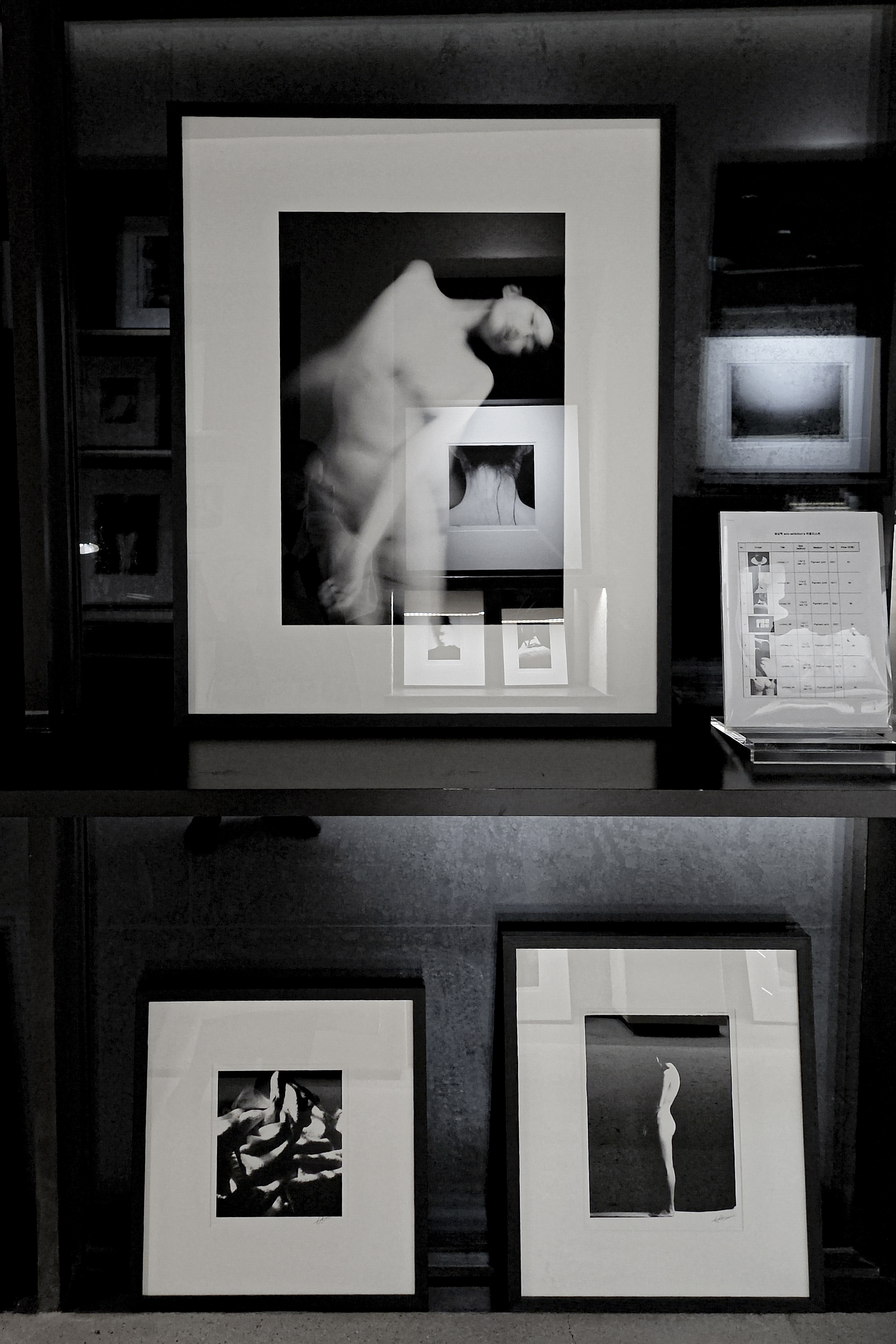
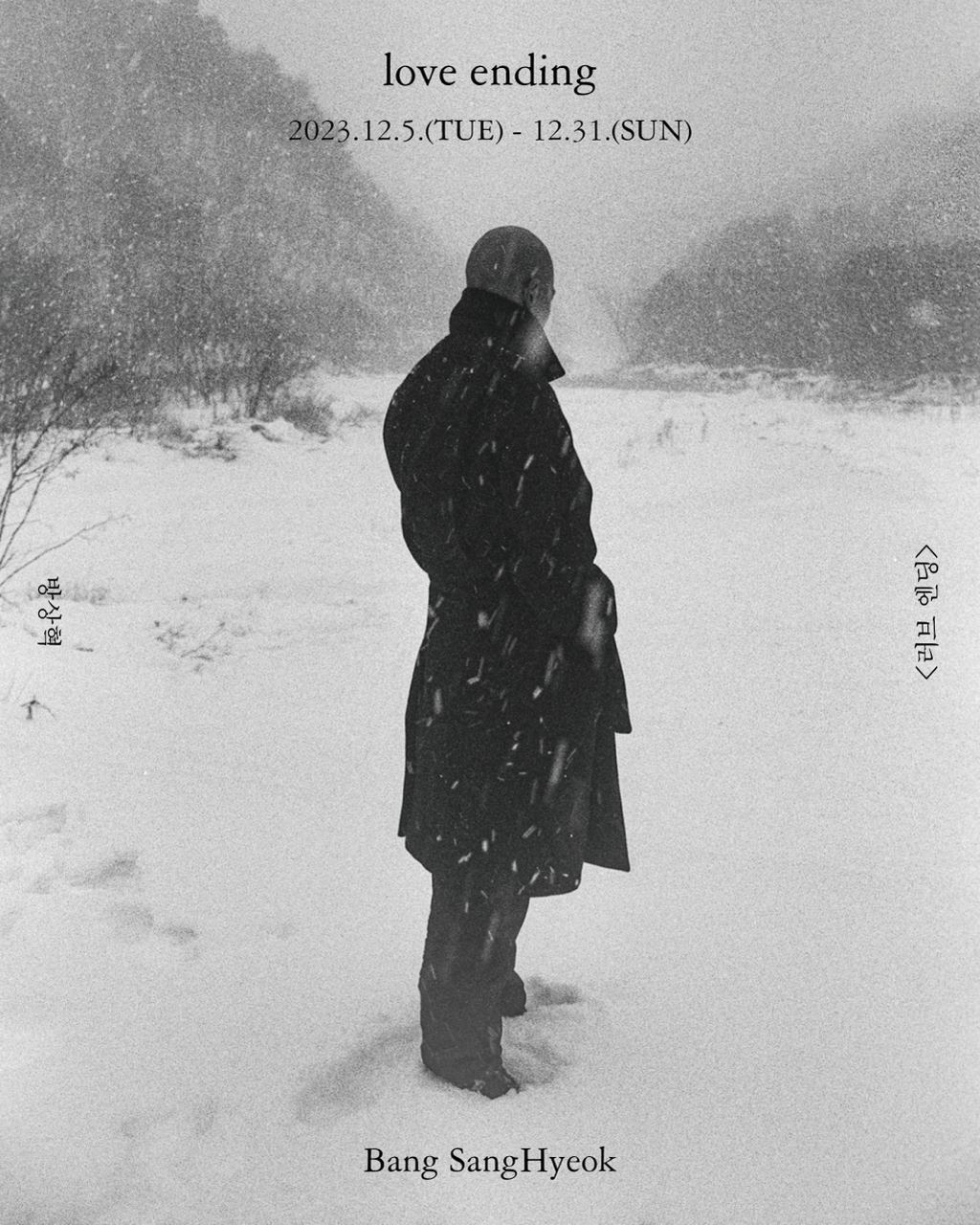
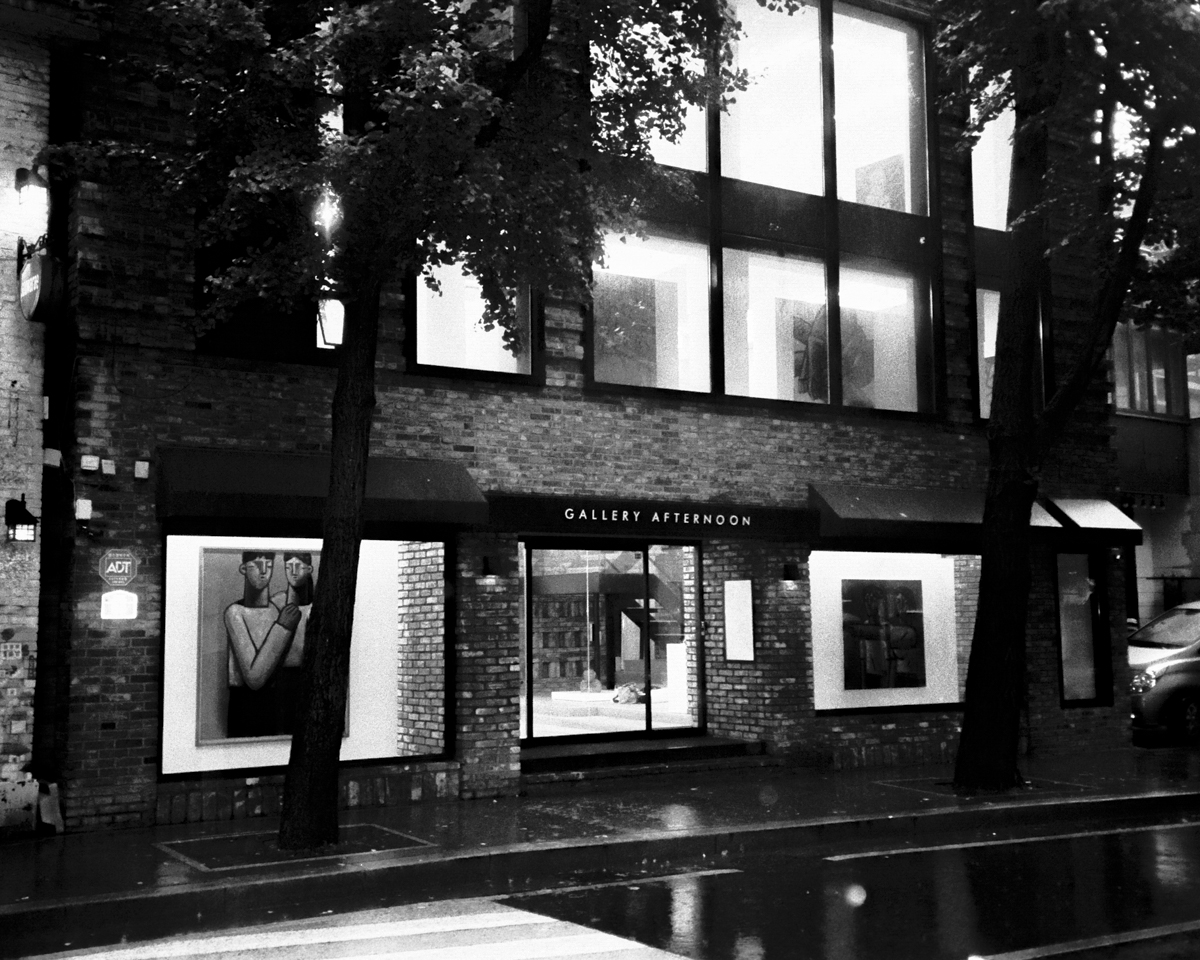
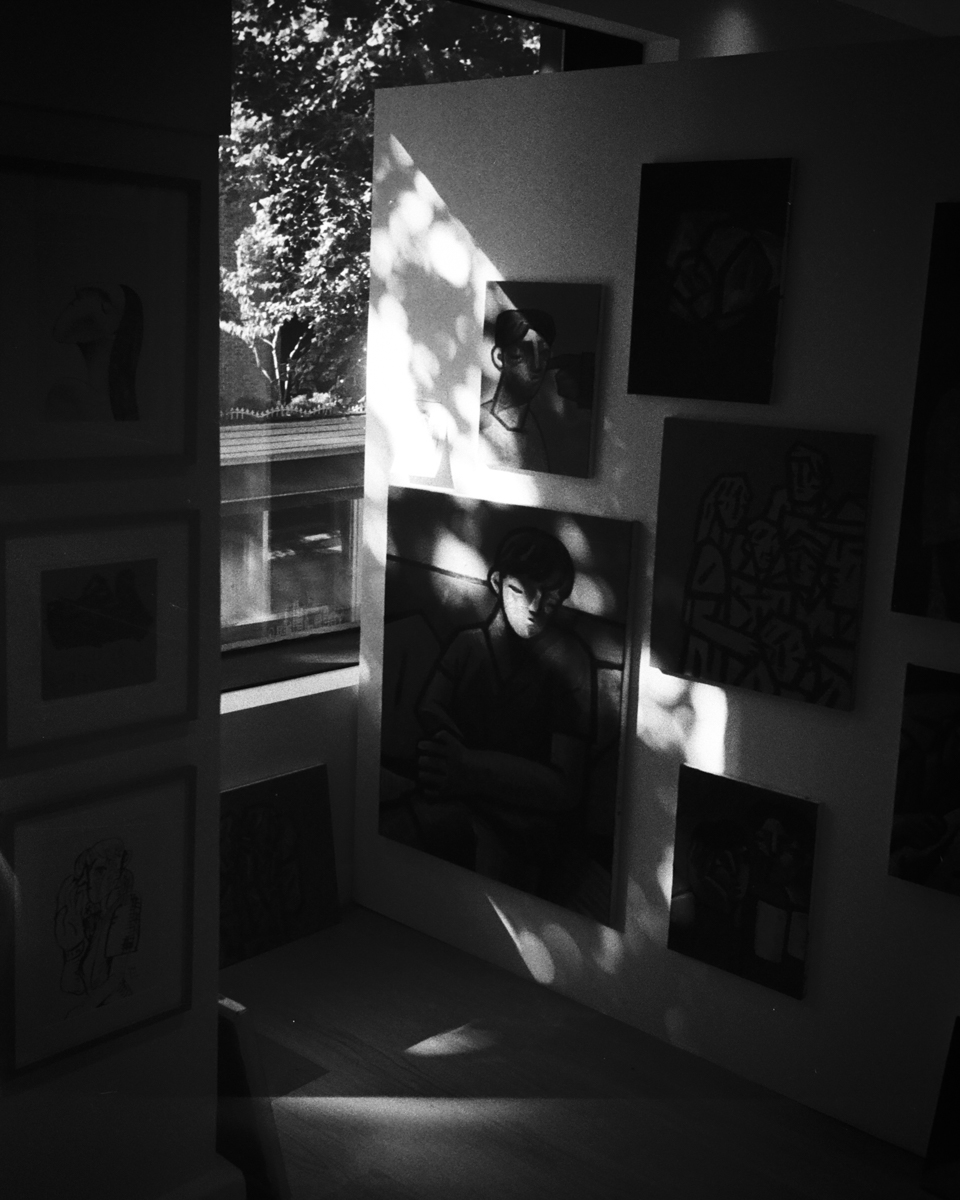
bangsanghyeok exhibition
< love ending >
2023. 12.5 - 12.31 / 13:00 -23:00
33, Hoenamu-ro 39-gil, Yongsan-gu, Seoul, Republic of Korea / graphic

bangsanghyeok exhibition
< love. end .piece >
2023. 9.17 - 9.24 / 1 -7pm
57, Hannam-daero 40-gil, Yongsan-gu, Seoul / VERSO
Your photographs are the most beautiful and the most painful thing in my life.
좋은 사진/ GOOD PHOTOGRAPH
어떤 거대한 고층 빌딩이었다.
It was some kind of towering high-rise.
맨 위층에서 나는 세 명의 가장 친한 형들과 무용 공연을 보고 있었다. 수많은 방들이 있었고, 그중 하나에 네가 있었다. 한쪽 창으로 희미한 빛이 스며드는 노출 콘크리트 방이었는데, 이상하게도 고급스러운 곳이었다.
At the very top, I was watching a dance performance with three of my closest older friends. There were many rooms, and in one of them, you were there. It was an exposed concrete room where faint light poured in through a single window, yet strangely, it felt luxurious.
처음에는 뒷모습만 보고 어쩌면 내가 아는 사람인가 하는 이상한 느낌을 받았다. 그러다 네가 돌아섰고, 그게 너였다.
At first, seeing only your back, I had the strange feeling that perhaps you were someone I knew. Then you turned around. And it was you.
우리는 공연을 보았다. 그러나 그것은 공연이라기보다 전시를 관람하는 기분에 가까웠다. 냄새와 분위기, 공간 전체가— 모든 것이 극장보다는 고급스러운 전시장에 가까웠다. 너는 아주 얇은 하얀 전신 스타킹 위에 연한 분홍색 무용복을 입고 있었고, 같은 색의 이상한 모자를 쓰고 있었다. 그렇게 우리는 네 전시를 보았다.
We watched the performance, yet it felt less like a performance than an exhibition. The smell, the atmosphere, the entire space—everything seemed closer to an elegant gallery than to a theater. You were dressed in a thin white full-body stocking, with a pale pink dance costume layered over it, and an unusual hat of the same color. And so, we watched your exhibition.
전시가 끝나자 나이 많은 아주머니들이 주변으로 모여들었다. 그러나 그들은 내게 오지 않았다. 대신 내 옆의 형들에게 몰려가 이름을 묻고 사인을 받았다. 아무도 내게 오지 않았다. 내 시선은 오직 너에게 고정되어 있었다.
When it ended, older women gathered nearby. But they did not come to me. Instead, they crowded around the older brothers beside me, asking their names and receiving autographs. No one came to me. My gaze remained fixed on you.
너는 나를 의식하면서도 의식하지 않는 척 사람들과 이야기를 나누고 있었다. 그러다 갑자기 그 이상한 모자를 벗어 던지고 나를 옥상으로 데려갔다. 그리고 그곳에서, 나를 똑바로 바라보며 뛰어내렸다.
You spoke with people around you in a way that seemed aware of me while pretending not to be. Then suddenly, you tore off that strange hat and threw it aside, and led me to the rooftop. And there, while looking directly at me, you jumped.
그 광경은 충격이었다. 너는 나를 바라본 채 그 거대한 빌딩에서 수많은 방과 층에 부딪히며 계속 아래로 추락했다. 나는 그것을 보자마자 너를 따라 뛰어내렸다. 우리는 함께 떨어졌다. 무서운 속도로.
The sight shocked me. Your eyes remained fixed on me as you fell from that towering building, striking countless rooms and floors on the way down. The moment I saw it, I jumped after you. We fell together, at a terrifying speed.
잠에서 깬 뒤에도 나는 그 장면을 잊을 수 없었다. 너는 살아 있으나 이미 죽어 있는 듯한 눈으로 계속 나를 바라보고 있었다. 수없이 부딪히며 추락하는 너를 보며, 그리고 함께 추락하면서도 나는 집착적으로 그 모습을 사진으로 찍고 있었다.
Even after waking, I cannot forget that image. You kept looking at me with eyes that were alive, yet already seemed dead. Watching you collide again and again as you fell, and falling beside you, I photographed you obsessively.
죽어가는 너를 보며 나는 엉엉 울고 있었지만, 급하게 필름을 감고 셔터를 누르고 다시 감고 다시 누르며 계속 너를 찍고 있었다.
Watching you die, I cried uncontrollably, yet hurriedly wound the film, pressed the shutter, wound it again, pressed again—again and again, photographing you.
그리고 문득 이상한 생각이 들었다. 이것은 너무 아름답다고.
And then I had a strange thought. That this was unbearably beautiful.
그리고— 좋은 사진이 나올 거라며.
And—thinking that this would make a good photograph.
로보트가 춤을 추다 1. 첫 번째 이야기 / The First Story
천재 과학자 롤케잌은 평생을 바쳐 로봇 하나를 만들었다.
The genius scientist Rollcake devoted his entire life to creating a single robot.
그 로봇은 감정을 느끼고, 춤으로 표현할 수 있었다.
This robot could feel emotions and express them through dance.
첫 날, 로봇은 과학자 앞에서 태어난 듯 춤을 추었다.
On its first day, it danced before its creator as if it had just been born.
“대단해! 내 인생을 바친 보람이 있구나!”
“Magnificent! My life’s work was worth it!”
로봇은 그 말에 화답하듯 행복의 춤을 췄다.
In reply, the robot performed a dance of joy.
그러나 과학자는 곧 세상을 떠났고,
But soon the scientist passed away,
홀로 남겨진 로봇은 비극의 춤을 추었다.
and the robot left alone danced a tragedy.
외로움을 견디다 못한 로봇은 세상 밖으로 나가기로 결심했다.
Unable to bear loneliness, the robot decided to step into the world.
죽은 과학자의 피부를 입고, 파란 외투를 걸친 채.
Wearing the dead scientist’s skin and a blue coat.
세상의 빛을 보자, 로봇은 다시 춤을 추었다.
When it saw the light of the world, it danced again.
사람들은 그 춤에서 설렘과 긴장, 호기심을 느꼈다.
People felt excitement, tension, and wonder in its dance.
수많은 군중 앞에서 로봇은 황홀의 춤을 추었다.
Before the crowd, the robot danced in ecstasy.
그러나 곧 권태의 춤이 이어졌고,
Yet soon came the dance of boredom,
로봇은 새로운 감정을 찾아 길을 나섰다.
and the robot set out in search of another feeling.
2. 두 번째 이야기 / The Second Story
로봇은 멈추지 않고 춤을 추었다.
The robot kept dancing without rest.
파란 태양이 내리쬐는 해변에 닿았을 때,
When it reached a beach bathed in blue sunlight,
그는 바다와 옷이 하나 된 듯 기뻤다.
it rejoiced, as if sea and garment became one.
즐거움과 감사의 춤에 사람들이 몰려들었다.
People gathered, drawn by its dance of joy and gratitude.
그러나 곧 춤은 오만과 교만의 춤으로 변했다.
But soon, the dance turned into arrogance and pride.
사람들은 열등감을 느끼고 등을 돌렸다.
People felt inferior and turned away.
침과 욕설 속에서 로봇은 수치의 춤을 추었다.
Amid spit and curses, the robot danced in shame.
어둡고 조용한 곳으로 물러나며,
It retreated to a dark and silent place,
감정을 지우려 춤을 추었지만 지울 수 없었다.
dancing to erase feelings, but they could not be erased.
괴로움만이 더욱 깊어졌다.
Only agony grew deeper.
마침내 로봇은 깨달았다.
At last, the robot realized:
“춤 때문이야. 이제 춤을 멈추겠다.”
“It’s the dance. I will stop dancing.”
그러나 춤이야말로 로봇의 심장을 돌리는 원동력이었다.
But the dance was the very engine of its heart.
춤을 멈추자, 생명도 멈췄다.
When the dance stopped, so did its life.
3. 완결편 / The Final Story
사실 롤케잌 박사는 오래 전, 한 아이를 입양했다.
In truth, Dr. Rollcake had once adopted a child.
그의 연구로 아이의 기억은 지워지고, 새로운 기억이 주입되었다.
Through his research, the child’s memories were erased and new ones implanted.
“넌 로봇이다. 감정의 춤으로 살아가는 로봇이다.”
“You are a robot. A robot that lives through the dance of emotion.”
아이는 그대로 믿고, 쉬지 않고 춤을 췄다.
The child believed it and danced without rest.
박사는 감탄했다. 아이는 춤의 천재였다.
The doctor marveled. The child was born for dance.
그러나 그는 욕심을 버리지 못했다.
Yet the doctor could not abandon his selfishness.
죽는 날까지 아이의 춤을 보고 싶었다.
He only wished to watch the child’s dance until his last day.
아이는 끝내 스스로를 진짜 로봇이라 믿었다.
The child, in the end, truly believed he was a robot.
그리고 믿음대로, 춤을 멈추자 심장도 멎었다.
And as he believed, when the dance stopped, his heart stopped too.
아이는 죽었다.
The child was dead.
- BangRang
대추 / The Jujube
아주 오래 전, 한 아이가 있었다.
A long time ago, there was a child.
어느 날 아이는 담장 너머로 대추나무를 보았다.
One day, the child saw a jujube tree beyond a wall.
붉게 익은 열매가 주렁주렁 매달려 있었다.
Red, ripe fruits hung heavily from its branches.
아이는 담을 넘었지만, 끝내 대추를 따지 못했다.
The child climbed the wall but could not pick a single fruit.
담장 안에는 무서운 개가 지키고 있었기 때문이다.
For inside the wall, a fearsome dog stood guard.
개는 달려들지 않았으나, 아이는 그저 두려웠다.
The dog did not attack, yet the child was afraid.
결국 대추 앞에 서서 바라보기만 하며, 스스로에게 약속했다.
So the child only stood there, staring, and made a promise.
“언젠가는 반드시 저 대추를 먹고 말겠어.”
“Someday, I will eat that jujube.”
그렇게 1년, 2년, 10년이 흘렀다.
And so one year, two years, ten years passed.
개는 죽었지만, 아이는 여전히 담을 넘지 못했다.
The dog had died, yet the child still could not cross the wall.
시간은 쌓였고, 다짐은 깊어졌다.
Time piled up, and the vow grew heavier.
어느 날, 바람에 대추 하나가 담 밖으로 떨어졌다.
Then one day, a jujube fell outside the wall with the wind.
아이는 얼른 그것을 집어 들었다.
The child quickly picked it up.
열 해 넘게 기다려온 것을 이렇게 쉽게 얻으리라곤 상상도 못했다.
Never had the child imagined something awaited for so long could come so easily.
우연히, 아주 우연히.
By chance—pure chance.
그러나 아이는 알았다.
But the child knew.
그 집 주인이 탐하는 사람들을 막으려 대추에 독을 발라둔다는 것을.
The owner had poisoned the fruits to keep greedy hands away.
알면서도 아이는 대추를 입에 넣었다.
Even knowing this, the child placed it in the mouth.
약속 때문이었고, 욕망 때문이었다.
Because of the promise. Because of desire.
대추는 놀라울 만큼 달콤했다.
The jujube was astonishingly sweet.
아이는 세상에서 가장 행복한 얼굴로 끝까지 씹어 삼켰다.
With the happiest face in the world, the child chewed and swallowed it all.
그리고 조용히, 미소를 머금은 채 죽었다.
And quietly, with a smile, the child died.
- BangRang